Street-facing storefront exposure
DC commercial openings are often directly visible from sidewalks and corridors. Board-up reduces access, weather exposure, and additional disruption after glass damage.

Regional dispatch
24HR SERVICE
Washington DC regional emergency coverage
Washington DC coverage is organized around dense commercial storefronts, after-hours securing, vandalism response, public-facing exposure, emergency glass repair coordination, and business continuity.
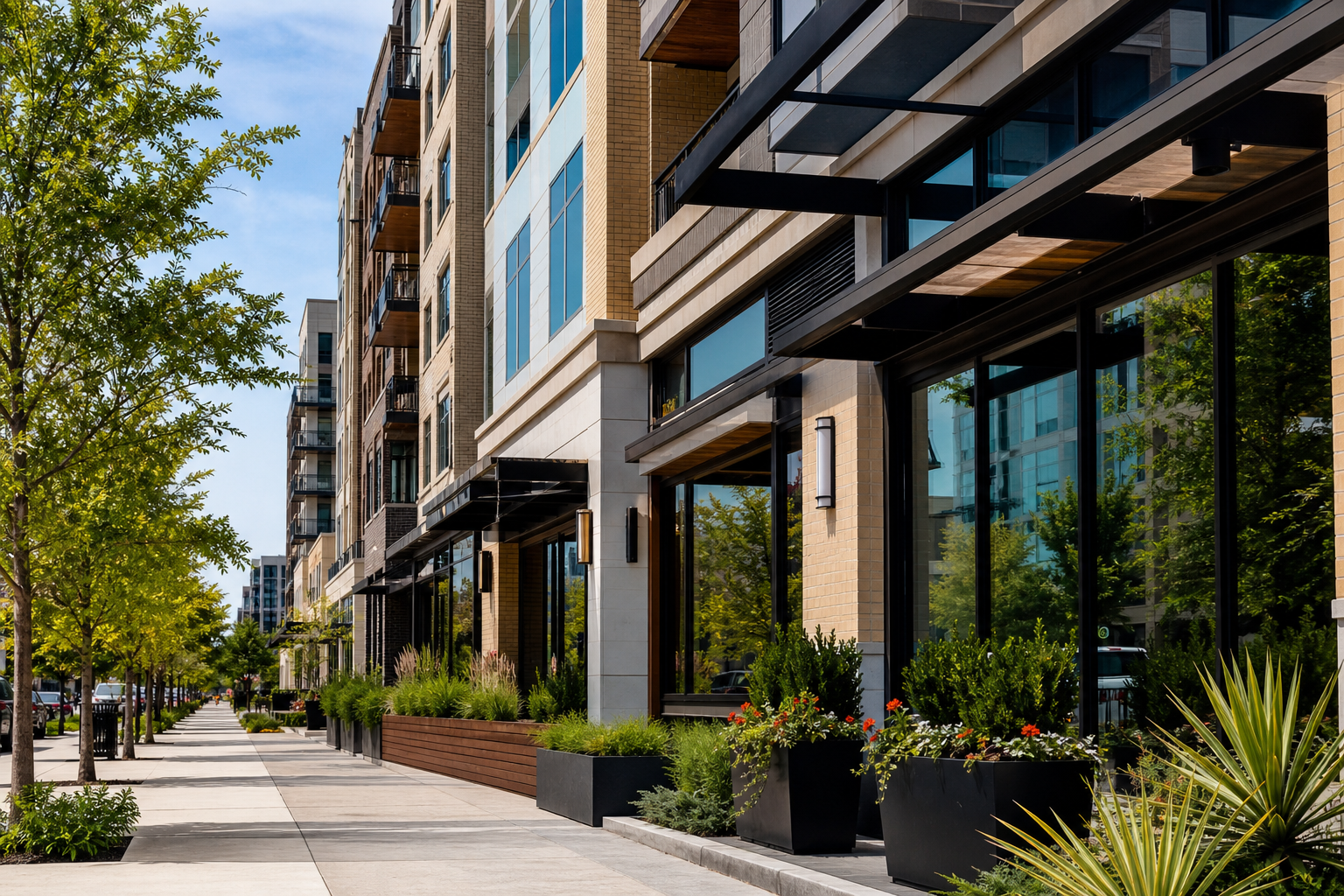
Urban storefront exposure
DC response focuses on street-facing glass, after-hours securing, and business continuity.
Regional emergency response
Dispatch depends on the address, damaged opening, exposure level, property contact, and whether board-up or glass repair is needed first.
The page is built around urban-commercial response: storefront board-up, after-hours exposure, access coordination, documentation, emergency glass repair, and permanent storefront repair handoff.
Regional response page for DC storefront exposure, vandalism, forced-entry damage, after-hours board-up, and commercial securing.
Parent service page for exposed openings, overnight securing, temporary protection, and damage documentation.
Repair coordination path for broken storefront glass, unsafe glass, door glass, and exposed openings after stabilization.
Permanent repair path for storefront systems, safety glass, restaurant entries, retail fronts, and commercial entrances.
Incident response page for forced-entry damage, storefront board-up, documentation, and glass repair sequencing.
Direct contact path for active DC storefront emergencies, exposed openings, vandalism, and overnight securing.
Urban-commercial positioning
Urban operating conditions matter more than tourist references, generic city descriptions, or long neighborhood lists.
DC commercial openings are often directly visible from sidewalks and corridors. Board-up reduces access, weather exposure, and additional disruption after glass damage.
After-hours glass damage can affect opening plans, deliveries, staff access, customer safety, and cleanup timing before business resumes.
Mixed-use and multi-tenant properties need communication between owners, managers, tenants, security, and repair teams after the site is stabilized.
Forced entry can affect glass, frames, door operation, closers, locks, and panic hardware. Temporary securing comes before repair scoping.
Commercial corridor dispatch
Useful details include storefront density, access constraints, business continuity needs, exposure level, and the first securing step.
Future DC pages should be organized around real commercial conditions, storefront density, restaurant corridors, or recurring access patterns.
A long neighborhood list would dilute response. DC coverage should stay compact, operational, and tied to board-up or storefront repair intent.
Corridor pages should link back to emergency board-up, emergency glass repair, commercial storefront repair, and break-in response pages.
Emergency service coordination
DC callers should be able to move quickly from location context to dispatch, board-up, glass repair, storefront repair, or break-in documentation.
The DC coverage page helps callers move from storefront exposure details into emergency board-up, glass repair, or dispatch.
The page focuses on public-facing storefronts, sidewalk exposure, after-hours access, mixed-use properties, and business continuity.
Additional coverage pages should be added only when a corridor or commercial environment has distinct operational context.
Active vandalism, broken storefront glass, exposed openings, and unsafe entrances should move users toward dispatch.
Emergency questions
Short answers about DC emergency coverage, urban storefront exposure, board-up, glass repair, and commercial property access.
It creates the regional coverage layer for DC emergency board-up, urban storefront exposure, commercial glass coordination, and additional corridor coverage.
The page is focused on urban-commercial response: storefront exposure, after-hours securing, multi-tenant properties, documentation, and repair sequencing.
It connects callers with DC emergency board-up, storefront exposure guidance, documentation needs, and follow-up glass repair coordination.
Additional corridor details should be based on distinct commercial conditions, storefront density, access constraints, and business continuity needs.
Active emergencies should call dispatch. Exposed storefronts, vandalism, forced entry, and unsafe glass need phone coordination so access and securing needs can be confirmed quickly.
Washington DC emergency dispatch
Use dispatch for vandalism, storefront break-ins, broken entrance glass, overnight securing, temporary board-up, and commercial glass repair coordination.
Regional dispatch
24HR SERVICE