Regional pages explain coverage
Virginia, Maryland, and Washington DC pages describe the commercial property conditions, access patterns, and emergency board-up needs seen in each region.

Regional dispatch
24HR SERVICE
Regional emergency coverage
Virginia, Maryland, and Washington DC coverage is organized around emergency board-up, commercial storefront exposure, regional dispatch routing, and commercial property conditions.
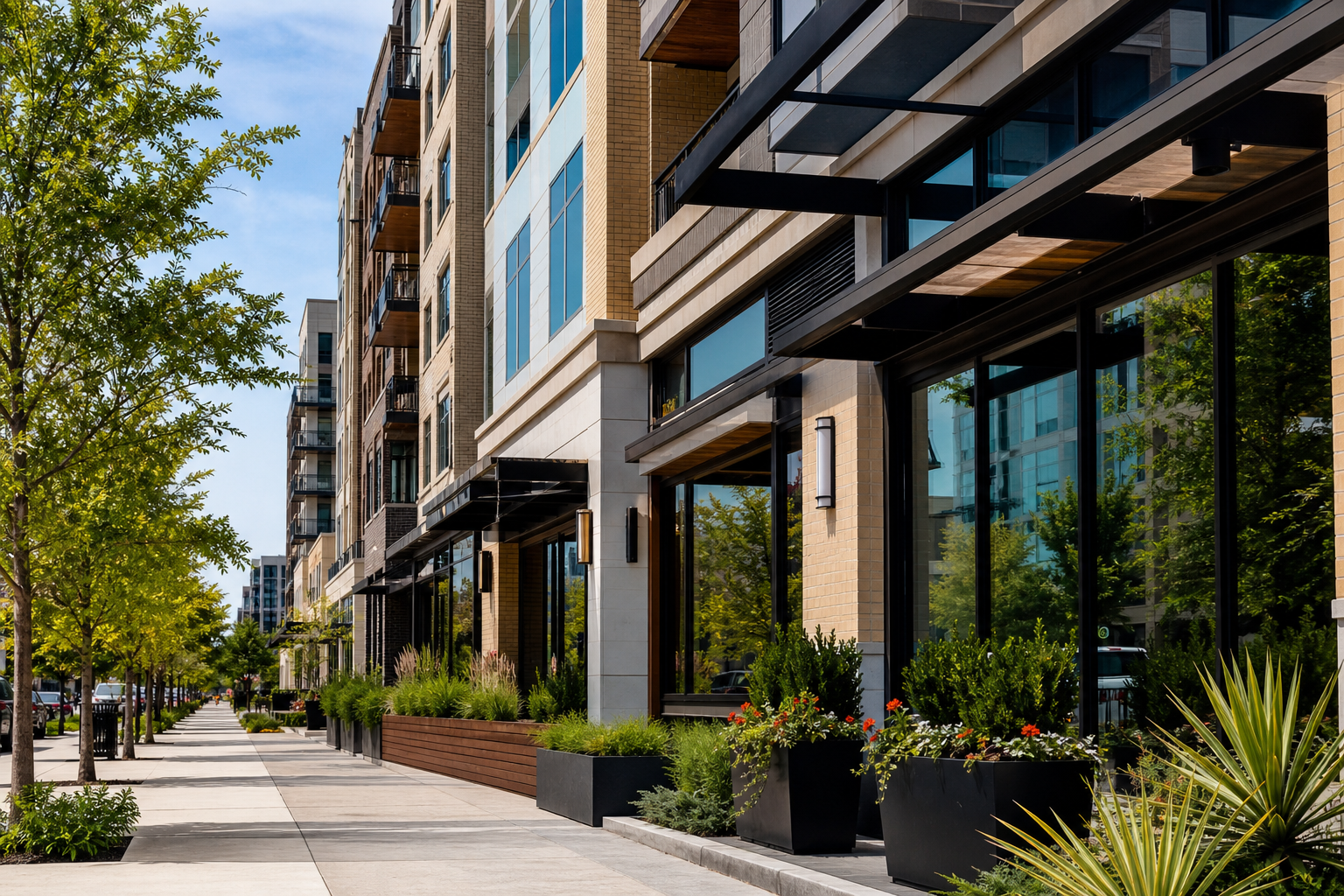
Regional commercial coverage
Coverage is organized around storefront exposure, property access, and repair coordination.
Regional response coverage
Coverage is focused on exposed openings, storefront break-ins, unsafe glass, commercial access needs, and repair coordination across Virginia, Maryland, and Washington DC.
Virginia
Virginia coverage is organized around Northern Virginia commercial corridors, mixed-use properties, retail storefronts, offices, and managed buildings that may need board-up before repair.
Fairfax, Arlington, Reston, McLean, and Alexandria coverage should stay tied to distinct commercial property conditions and emergency access needs.
Commercial coverage for Tysons storefront exposure, managed buildings, mixed-use properties, and emergency board-up needs.
Commercial coverage for Arlington mixed-use corridors, restaurant exposure, storefront damage, and emergency access needs.
Commercial coverage for Alexandria restaurant and retail corridors, older storefront systems, pedestrian-facing glass, and board-up needs.
Maryland
Maryland coverage is built around regional board-up demand, commercial storefront exposure, managed-property coordination, and repair scheduling.
Maryland city coverage should stay focused on meaningful commercial environments such as Bethesda, Rockville, and Silver Spring.
Commercial coverage for Silver Spring mixed-use corridors, restaurant and retail exposure, pedestrian-facing glass, and emergency board-up needs.
Commercial coverage for Bethesda retail corridors, restaurant continuity, professional-office overlap, and emergency access needs.
Commercial coverage for Rockville shopping-center storefront exposure, office-retail overlap, service-business continuity, and board-up needs.
Washington DC
Washington DC coverage should emphasize dense commercial corridors, restaurants, retail storefronts, offices, property access, and after-hours securing.
DC dispatch details should focus on the corridor, building access, storefront condition, and after-hours securing needs.
Regional and city coverage
Regional, city, and corridor information helps dispatch understand storefront density, property access, managed buildings, and the type of emergency response needed.
Virginia, Maryland, and Washington DC pages describe the commercial property conditions, access patterns, and emergency board-up needs seen in each region.
City coverage is useful when it reflects real storefront exposure, managed-property concerns, restaurant corridors, office access, or after-hours securing needs.
Location pages should reinforce emergency board-up, glass repair, storefront systems, temporary protection, and repair coordination.
Coverage clarity
Coverage pages should help callers understand regional response without implying a physical office in every city or adding slow map embeds across the site.
The contact page includes the single service-area map for orientation. Location pages stay focused on commercial corridors, property access, and emergency board-up or glass repair context.
Fairfax, Arlington, Reston, McLean, and Alexandria coverage should stay tied to distinct commercial property conditions and emergency access needs.
Maryland city coverage should stay focused on meaningful commercial environments such as Bethesda, Rockville, and Silver Spring.
DC dispatch details should focus on the corridor, building access, storefront condition, and after-hours securing needs.
Dispatch sequence
The response should create order quickly: confirm the damage, secure the opening, document the condition, and define the repair path.
Dispatch starts with the property address, region, access conditions, and whether the opening is exposed or unsafe.
Coverage should be based on commercial corridors, storefront density, managed properties, and emergency access needs.
The call may involve emergency board-up, glass repair, storefront repair, door glass, or incident-response documentation.
City and corridor details matter most when they explain access, storefront exposure, property management, or business continuity needs.
Active emergencies should route back to dispatch instead of forcing users through location research.
Emergency dispatch organization
Useful location details include the address, building access, storefront condition, exposure level, property contact, and whether the business is open or secured.
Dispatch needs the address, access conditions, opening type, exposure level, and whether the property is commercial, managed, or occupied.
Regional details help dispatch understand travel area, property access, corridor conditions, and who needs to meet the crew on site.
The response path stays the same across regions: stabilize, document, and coordinate board-up, glass, storefront, or entrance repair.
Service-area coverage standards
A city or corridor page should add operational value: property type, emergency access pattern, commercial corridor context, or a clear relationship to board-up and glass repair.
Fairfax, Maryland, and DC corridor coverage should support regional response instead of replacing it. The locations page stays compact so callers can understand coverage quickly.
Service navigation
Service and incident pages help property managers identify board-up needs, broken glass conditions, storefront repair requirements, and dispatch details.
Primary emergency service
Parent service page for exposed openings, temporary protection, overnight securing, and documentation support.
Repair response for broken glass stabilization, door glass, shattered tempered glass, and repair coordination.
Scenario response page for forced-entry damage, board-up, documentation, and storefront repair coordination.
Direct dispatch path for exposed storefronts, broken glass, overnight securing, and commercial-property emergencies.
Emergency questions
Short answers about regional coverage, selective city pages, emergency dispatch, and service-quality standards.
Emergency callers usually need help securing a real property, not a long list of city names. Coverage focuses on commercial areas where storefront exposure, access, and repair coordination matter.
Regional pages explain broader dispatch coverage. City pages focus on local commercial patterns such as storefront density, restaurant corridors, managed buildings, and after-hours access.
Service-area coverage should be based on useful context around storefront emergencies, commercial corridors, access conditions, or managed-property response.
Call dispatch. An exposed opening, break-in, vandalism, or unsafe glass condition should be handled by phone so access, safety, and board-up needs can be confirmed quickly.
DC content should be based on commercial corridors and operating conditions rather than repeating neighborhood names with the same service copy.
Operational next steps
Secure exposed storefronts, doors, windows, and commercial openings before permanent repair.
Restore aluminum storefront systems, tempered glass panels, and commercial entrances.
Move from forced-entry damage to temporary protection, documentation, and repair coordination.
Coordinate glass repair after the property is stabilized and replacement needs are understood.
Regional dispatch for exposed openings
Use dispatch for storefront break-ins, broken door glass, vandalism, weather exposure, temporary board-up, and commercial repair coordination across Virginia, Maryland, and Washington DC.
Regional dispatch
24HR SERVICE