Stabilize the site
The first priority is reducing immediate risk from open glass, exposed entrances, weather intrusion, and unsafe access conditions.

Regional dispatch
24HR SERVICE
Operational emergency response
24 Hour Glass and Board Up is positioned around exposed-opening emergencies: securing storefronts, stabilizing broken glass, documenting conditions, and coordinating the repair path after the property is controlled.
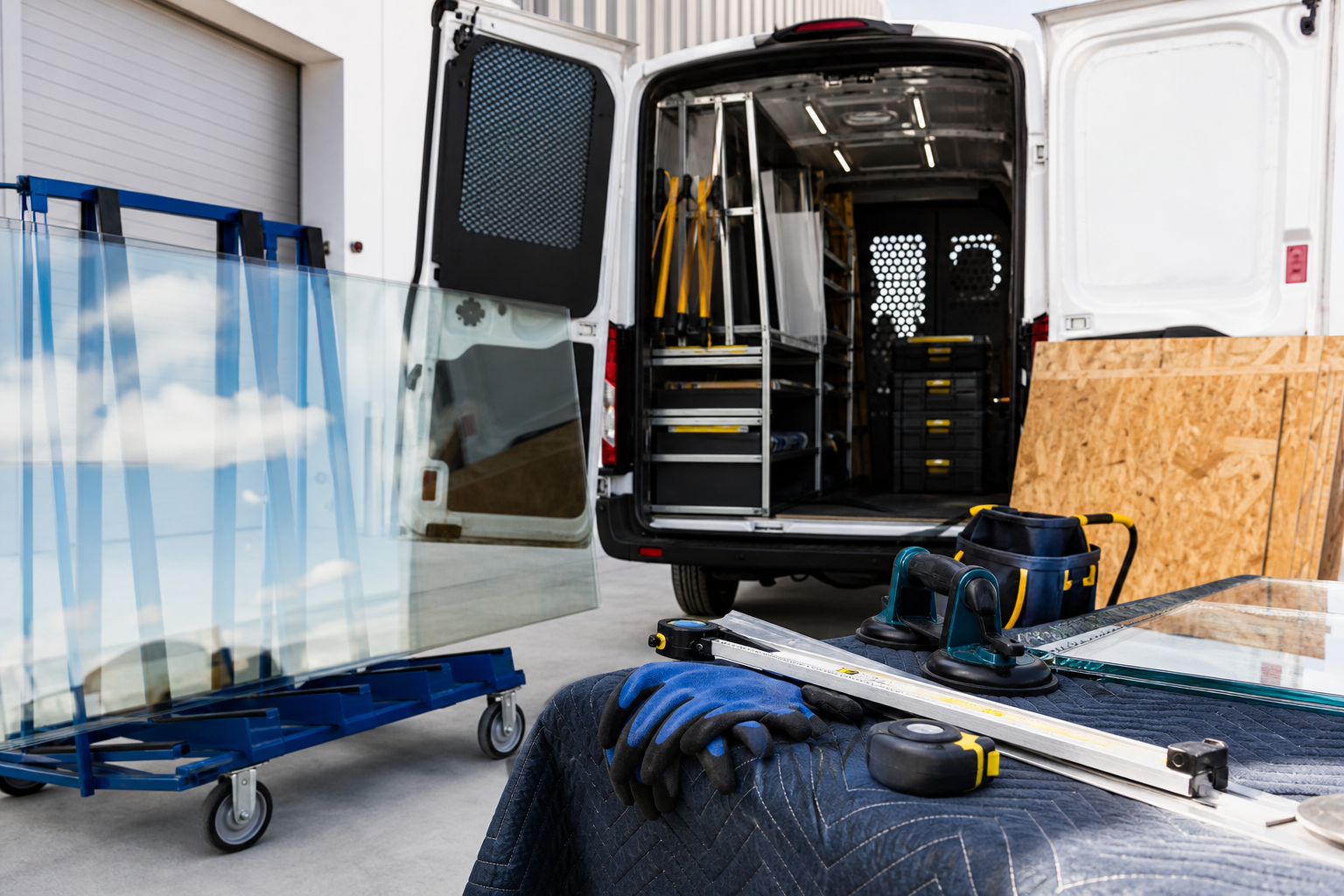
Operational response readiness
The work starts with securing the opening, documenting conditions, and coordinating repair.
How the company is positioned
The site presents the company as an emergency-response operation for commercial glass and board-up situations where the first priority is controlling exposure.
The trust signal is not a fabricated company backstory. It is the ability to explain what happens when a storefront, door glass panel, or commercial opening is broken and the property needs protection before permanent repair.
Emergency-response philosophy
Emergency work should create order quickly. The response model focuses on the immediate risk and the next practical step.
The first priority is reducing immediate risk from open glass, exposed entrances, weather intrusion, and unsafe access conditions.
Photos, notes, opening details, and service context can support property managers, owners, tenants, insurance reporting, and follow-up repair planning.
After securing, the next step may be emergency glass repair, storefront glass replacement, door glass work, or commercial entrance hardware support.
Dispatch sequence
The response should create order quickly: confirm the damage, secure the opening, document the condition, and define the repair path.
Emergency calls should identify the property address, access conditions, opening type, visible damage, and whether the site is exposed.
The response considers loose glass, storefront framing, door operation, weather exposure, public access, and temporary protection needs.
Board-up or temporary stabilization protects the property when permanent repair cannot happen immediately or safely.
Damage photos, notes, sizes, access details, and repair observations help support insurance, ownership, and management communication.
The handoff points toward glass repair, storefront replacement, door glass, or entrance hardware work based on what the site needs next.
Commercial-property coordination
Storefront and entrance emergencies affect more than the broken glass. They affect access, operations, tenants, customers, and repair timing.
Managed properties need access instructions, tenant communication, ownership updates, documentation, and a clear explanation of what remains open after securing.
Public-facing storefront damage affects customer access, merchandising, food-service schedules, staff safety, and reopening decisions.
Ground-floor glass, entry systems, and exposed openings require coordination around tenants, building access, security, and business continuity.
Documentation and support
Documentation is part of the operational trust strategy because emergency securing is often the first step in a longer repair and reporting process.
Emergency service details can help managers and owners understand what was secured, what remains exposed, and what repair path is recommended.
A stabilized opening gives the repair process a defined starting point: glass type, opening size, storefront system, door condition, and access constraints.
The response is shaped around practical operating needs such as reopening, overnight protection, tenant access, and customer-facing safety concerns.
Operational principles
These principles define the brand more credibly than generic claims about being the best, the oldest, or the friendliest contractor.
The work starts with the condition of the opening: whether glass is loose, the property is exposed, weather can enter, or unauthorized access is possible.
Storefronts, restaurants, offices, and managed properties need access coordination, documentation, business-hours awareness, and clear repair handoff.
Board-up and stabilization are used to control immediate exposure while the correct glass, storefront, door, or hardware repair path is confirmed.
Service coordination logic
A serious emergency-response site should make the sequence clear instead of blending every service into one generic promise.
Board-up controls exposure. Emergency glass repair evaluates broken glass and stabilization needs. Storefront glass repair restores the permanent commercial system after measurement, material confirmation, and access planning.
Primary temporary-protection page for exposed openings, break-ins, vandalism, weather exposure, and overnight securing.
Glass repair response page for broken glass stabilization, door glass, tempered glass, and repair coordination after securing.
Permanent repair path for storefront systems, commercial entrances, retail glass, restaurants, and aluminum storefronts.
Scenario page for forced-entry damage, emergency board-up, documentation, and storefront repair coordination.
Internal response paths
The About page routes visitors into the primary emergency services and scenario pages instead of standing alone as generic company copy.
Primary emergency service
Primary temporary-protection page for exposed openings, break-ins, vandalism, weather exposure, and overnight securing.
Glass repair response page for broken glass stabilization, door glass, tempered glass, and repair coordination after securing.
Permanent repair path for storefront systems, commercial entrances, retail glass, restaurants, and aluminum storefronts.
Scenario page for forced-entry damage, emergency board-up, documentation, and storefront repair coordination.
Call path for active emergencies, exposed storefronts, documentation support, and commercial glass response.
Emergency questions
Short answers about how the company is positioned, why temporary protection matters, and how trust is built without fake history or inflated claims.
It explains the operating model behind emergency board-up and glass response: dispatch, exposed-opening stabilization, documentation, and repair coordination. It does not rely on fake history or generic contractor claims.
If a storefront, door, or window opening is exposed and permanent glass is not immediately available, temporary protection controls weather, access, and safety risk while repair is coordinated.
Commercial managers need access coordination, tenant updates, documentation, insurance context, and a clear handoff from emergency securing to permanent repair.
The site is commercially focused because storefronts, restaurants, offices, and managed properties often have urgent exposure and business continuity needs. Emergency glass and board-up needs may also involve other property types.
The trust strategy is based on workflow clarity, realistic emergency sequencing, commercial-property understanding, documentation support, and direct links to service pages.
Operational next steps
Secure exposed storefronts, doors, windows, and commercial openings before permanent repair.
Restore aluminum storefront systems, tempered glass panels, and commercial entrances.
Move from forced-entry damage to temporary protection, documentation, and repair coordination.
Coordinate glass repair after the property is stabilized and replacement needs are understood.
Exposed opening or commercial glass emergency
Use the emergency contact path for break-ins, shattered storefront glass, exposed door glass, weather exposure, temporary protection, and repair coordination after securing.
Regional dispatch
24HR SERVICE