Property address and access
Have the address, unit or suite details, loading/access notes, and any property manager contact ready if available.

Regional dispatch
24HR SERVICE
Emergency dispatch contact
Call for exposed storefronts, break-ins, overnight securing, temporary protection, documentation support, and commercial glass repair coordination.
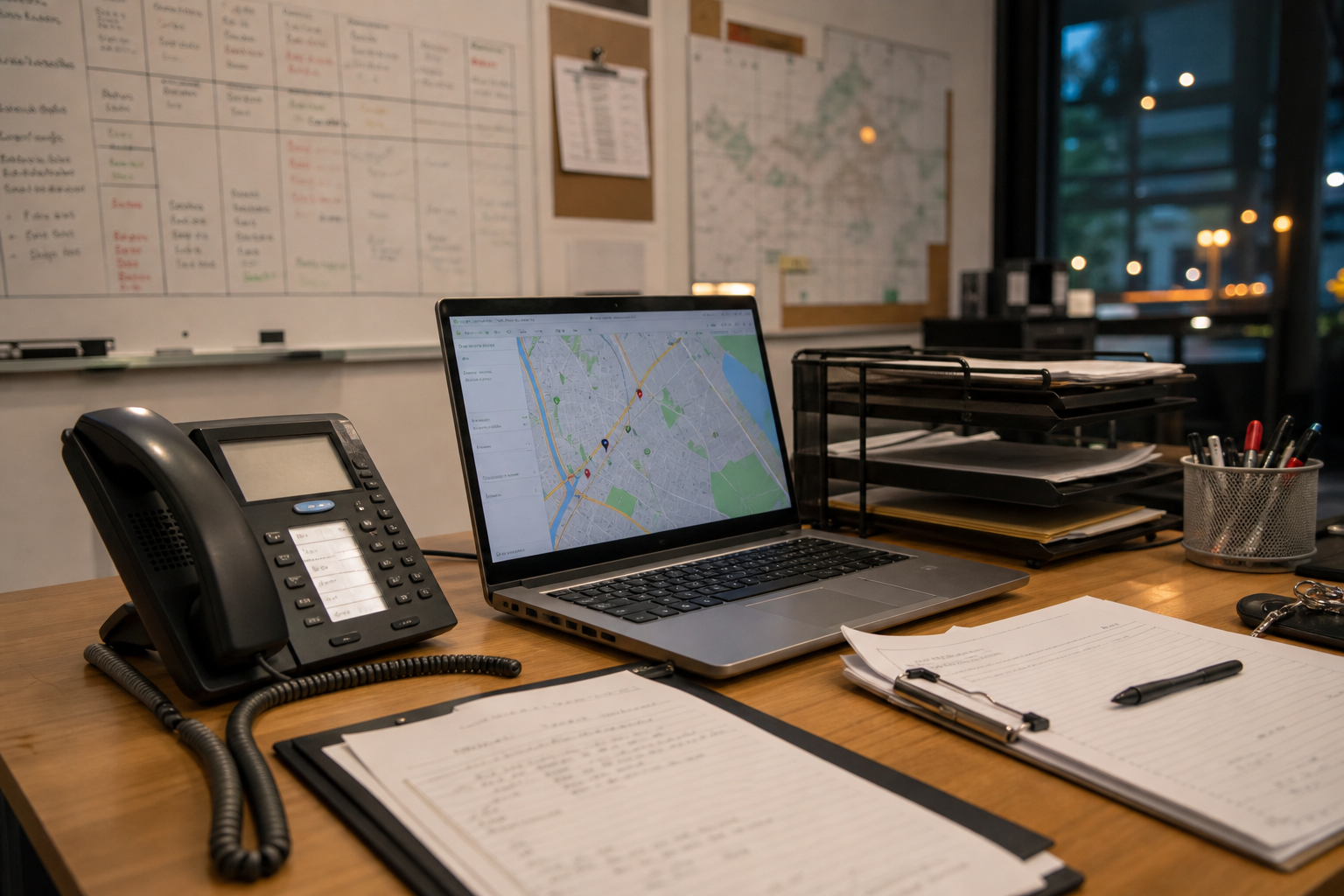
Active emergency? Call first.
Dispatch details help confirm access, exposure, documentation, and repair coordination.
Property detail submission
Use this form for property-detail submissions, after-hours coordination notes, documentation needs, or follow-up repair planning. For exposed openings, active break-ins, unsafe glass, or overnight securing, call dispatch first.
Phone dispatch remains the fastest path for exposed storefronts, forced-entry damage, broken entrance glass, unsafe openings, and same-night board-up. Written submissions are reviewed for coordination and documentation, not as a replacement for emergency dispatch.
Regional dispatch
24HR SERVICE
Before you call
Emergency dispatch works faster when the caller can describe the exposed opening, access conditions, and documentation needs.
Have the address, unit or suite details, loading/access notes, and any property manager contact ready if available.
Describe whether the issue is storefront glass, door glass, a window, an exposed entrance, or forced-entry damage.
Mention whether police, insurance, ownership, tenant, or property management documentation is involved.
Dispatch sequence
The response should create order quickly: confirm the damage, secure the opening, document the condition, and define the repair path.
The fastest path is a phone call when the property is exposed, unsafe, or needs overnight securing.
Share access details, opening type, visible damage, and whether the site is a retail, restaurant, office, or managed property.
Emergency board-up or temporary protection reduces exposure while follow-up glass or entrance repair is coordinated.
Photos, notes, and repair path details can support insurance, property management, and business continuity planning.
After-hours emergency situations
Use the phone CTA when the property is exposed, unsafe, or needs overnight protection before repair can be coordinated.
Forced-entry damage can leave glass, doors, frames, and hardware exposed after the business is closed.
Retail and restaurant properties often need temporary protection before cleanup or permanent repair can happen.
Broken storefront glass or door glass can allow rain, wind, debris, and unauthorized access into the property.
Property managers need site access coordination, documentation, and a clear repair handoff after securing.
Operational credibility
The site does not rely on fake badges, review counts, or broad claims. It builds confidence by explaining how dispatch, securing, documentation, and repair coordination actually work.
Calls are organized around what is exposed, how the property is accessed, and what needs to be secured before permanent repair.
Temporary protection stabilizes the property while glass type, storefront system, door condition, or hardware damage is confirmed.
Photos and service notes can help property managers, owners, and insurance contacts understand what happened and what follows.
Retail, restaurants, offices, mixed-use buildings, and managed properties each have different access, safety, and reopening concerns.
Service-area dispatch
Regional response pages help callers understand coverage for board-up, exposed storefronts, and commercial glass repair.
Regional response page for Northern Virginia commercial board-up and property securing.
Regional response page for Maryland storefront exposure, overnight securing, and managed property coordination.
Urban regional response page for DC storefront density, restaurants, retail corridors, and after-hours securing.
Service-area coverage
This map is provided for service-area orientation only. Emergency dispatch is based on the property address, access conditions, exposure level, and regional response availability.
Coverage is organized around commercial properties, storefront corridors, managed buildings, and urgent board-up or glass repair coordination.
The map does not represent a walk-in office location. Call dispatch for active emergencies and provide the property address for routing.
Emergency questions
Short answers for owners, managers, and operators dealing with an exposed opening right now.
Call dispatch for active emergencies, exposed openings, break-ins, vandalism, or overnight securing. A form is better for non-urgent coordination or follow-up details.
Have the property address, access notes, opening type, visible damage, approximate size, and any property management or insurance contact information ready if possible.
Damage photos and service notes can support insurance reporting, ownership updates, tenant communication, and property management records.
Emergency board-up or temporary protection can secure the opening first while storefront glass, door glass, or entrance repair is coordinated.
The contact flow is built around commercial emergency details: access, storefront exposure, business hours, tenants, managers, and repair handoff.
Exposed opening or unsafe commercial glass
Use phone dispatch for break-ins, vandalism, broken entrance glass, overnight securing, temporary board-up, and commercial glass repair coordination.
Regional dispatch
24HR SERVICE