Restaurant corridors and late-night exposure
Broken entrance glass or storefront damage after hours can affect staff closeout, vendor access, cleanup timing, and reopening decisions.

Regional dispatch
24HR SERVICE
Arlington VA commercial emergency response
Emergency response for Arlington mixed-use commercial corridors, restaurant entries, storefront exposure, office-retail overlap, overnight securing, and Northern Virginia dispatch coordination.
Urban commercial response
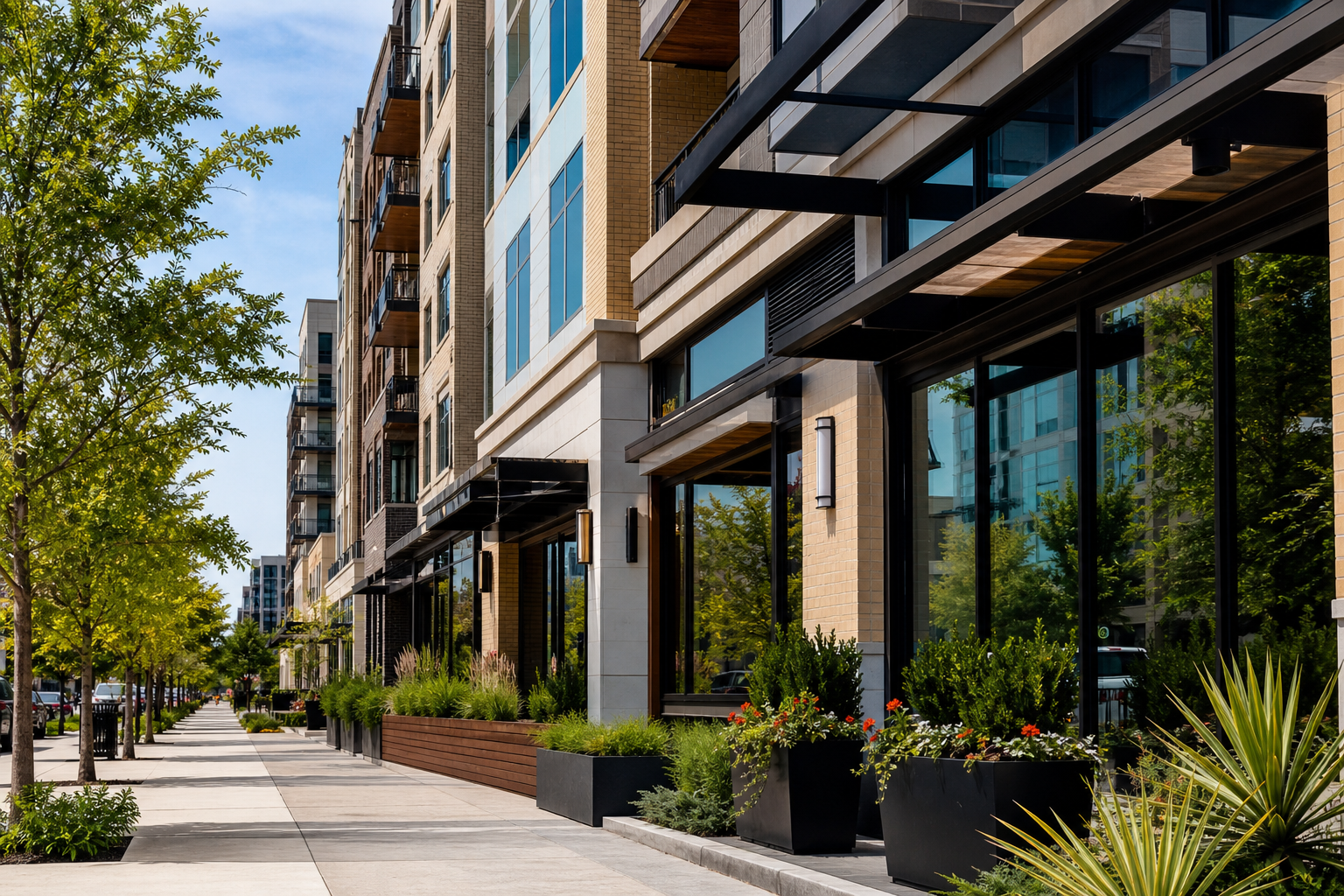
Arlington storefront damage can require board-up, access coordination, documentation, and glass repair.
Urban-commercial positioning
Arlington coverage is built around mixed-use corridors, restaurant exposure, pedestrian-facing glass, office-retail overlap, and business-continuity decisions after damage.
Arlington commercial emergencies often involve street-level storefronts, restaurants, offices, shared building entries, parking or loading constraints, and high pedestrian activity. The page organizes those conditions that matter during emergency dispatch and repair coordination.
Regional dispatch
24HR SERVICE
Commercial environments
Arlington coverage is organized around urban property conditions that affect emergency securing, access, repair timing, and business continuity.
Broken entrance glass or storefront damage after hours can affect staff closeout, vendor access, cleanup timing, and reopening decisions.
Urban commercial buildings often combine retail, restaurants, offices, residences, parking, and shared entries that need careful emergency coordination.
Ground-floor glass damage can affect building staff, tenants, street-level retailers, customers, and property managers at the same time.
High foot traffic changes the urgency around unsafe glass, exposed openings, temporary barriers, and access control.
Door glass, storefront framing, locks, closers, panic hardware, and access conditions can all shape the response after a break-in or impact.
Temporary protection can keep the property controlled until glass type, measurements, entry hardware, and permanent repair needs are confirmed.
Emergency-response workflow
The workflow connects storefront stabilization with property coordination, documentation, and permanent repair planning.
Dispatch needs the Arlington address, entry point, street or loading access, property contact, and whether pedestrians or tenants are affected.
Board-up or temporary protection can secure storefront panels, door glass, sidelites, or other ground-floor commercial openings.
Restaurants, retailers, office managers, and building staff may need documentation, access guidance, and a clear repair handoff.
After stabilization, the next step may involve emergency glass repair, storefront repair, glass door repair, or entrance hardware review.
Northern Virginia service area relationship
Arlington calls often involve street-level restaurants, storefront rows, mixed-use access, and high pedestrian exposure.
Tysons and Arlington both support commercial emergency response, but they are not interchangeable. Arlington adds urban mixed-use corridors, restaurant exposure, high pedestrian visibility, and office-retail overlap to Northern Virginia commercial emergency response.
Arlington commercial calls often involve dense mixed-use corridors, restaurants, offices, retail entries, and pedestrian-facing exposure.
Tysons and Arlington serve different roles: Tysons emphasizes commercial concentration and managed properties, while Arlington emphasizes urban corridors and street-level exposure.
Useful dispatch details explain access, storefront exposure, property contacts, building type, and the emergency condition on site.
Service-area coverage standards
The page points visitors toward dispatch, board-up, glass repair, storefront repair, and forced-entry response support.
The page stays focused on commercial emergencies instead of describing background details that do not affect response or repair coordination.
Arlington coverage stays focused on commercial emergencies instead of naming corridors that do not affect dispatch or repair.
The page points callers toward dispatch, emergency board-up, glass repair, storefront repair, and break-in response support.
Arlington response questions
Short answers about Arlington storefront damage, urban-commercial access, board-up, glass repair, and Northern Virginia coordination.
Arlington has dense mixed-use corridors, restaurant and nightlife exposure, office and retail overlap, pedestrian-facing storefronts, and urban emergency-response needs that are distinct from a generic city page.
No. The page is focused on commercial emergency conditions: storefront exposure, overnight securing, entrance damage, property-management coordination, and repair handoff.
Arlington complements Tysons by focusing on mixed-use corridors, restaurant entries, pedestrian activity, office-retail overlap, and street-facing storefront exposure.
Active storefront exposure, broken entrance glass, forced-entry damage, vandalism, or after-hours securing should route to dispatch or the Virginia Emergency Board-Up response page.
The page stays focused on what emergency callers need: the damaged opening, access conditions, exposure level, property contact, and likely repair handoff.
Arlington commercial emergency dispatch
Call for exposed storefronts, broken entrance glass, restaurant corridor damage, after-hours commercial securing, property documentation, and repair handoff across Arlington commercial environments.
Regional dispatch
24HR SERVICE