Retail corridors and shopping-center exposure
Tysons storefront damage can affect merchandise, tenant operations, public access, cleanup timing, and next-day reopening plans.

Regional dispatch
24HR SERVICE
Tysons VA commercial emergency response
Emergency response for Tysons retail corridors, office properties, mixed-use commercial environments, storefront exposure risks, after-hours securing, and Fairfax County commercial response coordination.
Commercial emergency response
Tysons jobs can require board-up, documentation, access coordination, and follow-up glass repair.
Commercial emergency conditions
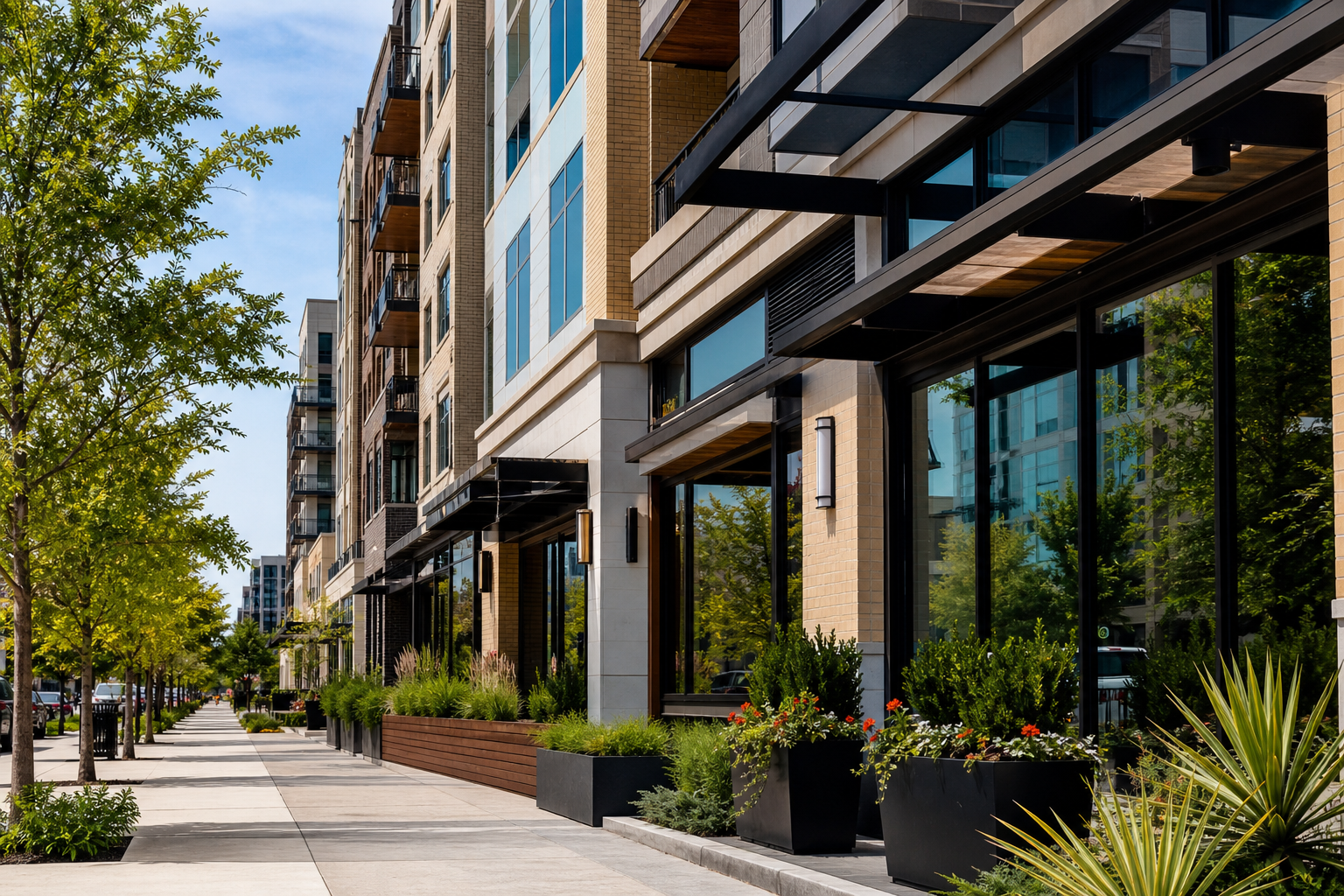
Tysons calls can involve retail storefronts, office lobbies, mixed-use entrances, parking access, tenant coordination, and after-hours securing.
Tysons has concentrated retail, restaurants, office properties, mixed-use buildings, managed commercial entrances, parking-connected access points, and storefront exposure risk. That makes the page useful as a commercial emergency area with access and repair needs that should be confirmed during dispatch.
Regional dispatch
24HR SERVICE
Commercial environments
Tysons coverage is organized around property conditions that affect emergency securing, repair timing, access, and business continuity.
Tysons storefront damage can affect merchandise, tenant operations, public access, cleanup timing, and next-day reopening plans.
Ground-floor glass, lobby entrances, tenant suites, and parking-level access points often require property-management coordination and clear documentation.
After-hours entrance glass damage can affect staff access, vendor timing, customer safety, and whether the business can reopen on schedule.
Unoccupied storefronts still need temporary protection when vandalism, forced entry, or weather damage leaves the unit exposed.
Door glass, storefront framing, locks, closers, panic hardware, and access conditions can all affect the repair path after temporary securing.
The response should protect the property while helping owners, tenants, and managers move from emergency securing into repair coordination.
Emergency-response workflow
Commercial emergencies move from exposed property to temporary protection, documentation, and permanent repair coordination.
Dispatch needs the Tysons address, entry point, parking or loading access, property contact, and whether the opening is exposed.
Board-up or temporary protection can stabilize storefront glass, door glass, sidelites, and ground-floor commercial openings.
Photos and service notes help property managers, tenants, owners, and insurance contacts understand what was secured.
The next step may involve emergency glass repair, commercial storefront glass repair, glass door repair, or entrance hardware review.
Fairfax County relationship
Dispatch should confirm the property type, access route, site contact, exposure level, and whether board-up or glass repair is needed first.
Fairfax County calls can involve office parks, retail centers, mixed-use buildings, loading access, property managers, tenants, and security teams. Those details help crews plan the first site visit.
Tysons has concentrated retail, office, mixed-use, and managed-building conditions that can make emergency board-up and glass coordination time-sensitive.
Nearby Fairfax County calls should identify the commercial setting, access point, property contact, and whether the opening is exposed or unsafe.
Tysons board-up calls often involve shopping centers, office properties, parking access, loading areas, tenant contacts, and after-hours securing decisions.
Clear city coordination
The important details are the exposed opening, access conditions, commercial contact, documentation needs, and the next repair step.
Dispatch details should focus on the damaged opening, building access, site contact, exposure level, and repair coordination needs.
Emergency board-up, emergency glass repair, storefront glass repair, and glass door repair remain the strongest intent pages.
Fairfax County coordination should help dispatch understand where the crew is going, how to access the site, and what must be secured first.
Tysons response questions
Short answers about Tysons storefront damage, Fairfax County coordination, board-up, glass repair, and commercial property access.
Tysons has retail corridors, offices, mixed-use properties, managed buildings, and storefront exposure risk that often require clear dispatch, access, and repair coordination.
No. The page is organized around commercial operating conditions, emergency response coordination, Fairfax County access, and the services most often needed after storefront damage.
Tysons has enough commercial density to need specific guidance around storefront exposure, office properties, mixed-use buildings, managed access, and repair handoff.
Active storefront exposure, broken entrance glass, vandalism, forced-entry damage, or after-hours securing should route to dispatch or the Tysons Emergency Board-Up page.
It stays focused on what matters during a commercial emergency: what is broken, whether the opening is exposed, who can provide access, and what repair coordination is needed next.
Tysons commercial emergency dispatch
Call for exposed storefronts, broken entrance glass, after-hours commercial securing, property-management documentation, and repair handoff across Tysons commercial environments.
Regional dispatch
24HR SERVICE